The perfect read for those going to Crete, planning to go to Crete, already on Crete, or just wishing they were there. For one week the No 1 amazon bestselling book about the island is on sale for .99p (or similar in US) for all Kindle users. If you already have a copy and feel inclined, please share to others who might enjoy.
Blog
Coasting in Rhodes

The sunset in Rhodes is like no other I have seen. From a burst of fiery orange it starts to sink behind the hills over the town turning them from brown to black. The medieval fortress and Turkish minarets hang on as best they can to the last minutes of light reflecting yellow, green then blue before becoming shadows silhouetted against a sky rapidly losing definition.
The strong afternoon sea breeze had dropped away to a mere whisper as we coasted out of Mandraki, the moon adequately supplementing our navigation lights. The gentle ripple of the wash of tiny caiques leaving harbour for a night’s fishing barely made any impression on our equilibrium as we swung the helm over and headed south along the coast.
Not a bad job
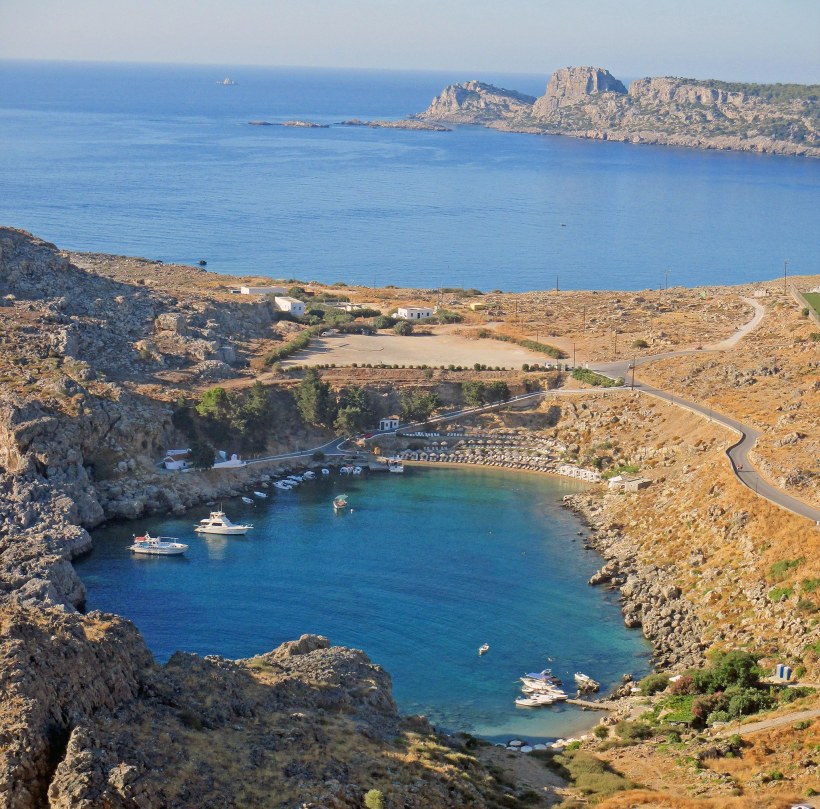
The original excavation of the site of the acropolis in Lindos on Rhodes was carried out by Danish archaeologists under the direction of Christian Blinkenberg and Karl Frederik Kinch between 1900 and the beginning of the First World War. Looking over the southern precipice of the promontory, gazing down at the cobalt blue waters of St Paul’s Bay, I couldn’t help thinking that for those archaeologists from the Carlsberg Institute, going to work on a Monday morning could not have been too daunting. This natural shallow harbour has the smallest of entrances in its north-east corner making it an ideal anchorage and, legend has it, one which was taken advantage of by St Paul when he landed here to fulfil his mission to preach Christianity to the islanders. Turning around looking north across the Grand Harbour you can see for miles along the coast in the direction of Rhodes Town.
Rethymnon’s relaxed charm
There are few things as pleasurable as taking a walk around Rethymnon old town (Palia Poli). More than any other of Crete’s historic cities, it has managed to retain much of its original Venetian and Turkish heritage.
The town sits midway between the major cities of Heraklion and Chania but maintains its own very individual character. If Heraklion, 50 miles to the east, exhibits the restless metropolitan swagger of a capital city and Chania, 37 miles west, a pride in its distinguished past, Rethymnon displays a unique serenity.
Built by the Venetians as a staging port between its two larger neighbours, its smaller size makes it more intimate and less inhibiting. Although you can wander for hours in the narrow streets and alleyways you will never be far from the wonderful harbour, lined with fish tavernas and cafes, where tourists and university students alike while away hours chatting or feeding fish in the crystal clear water.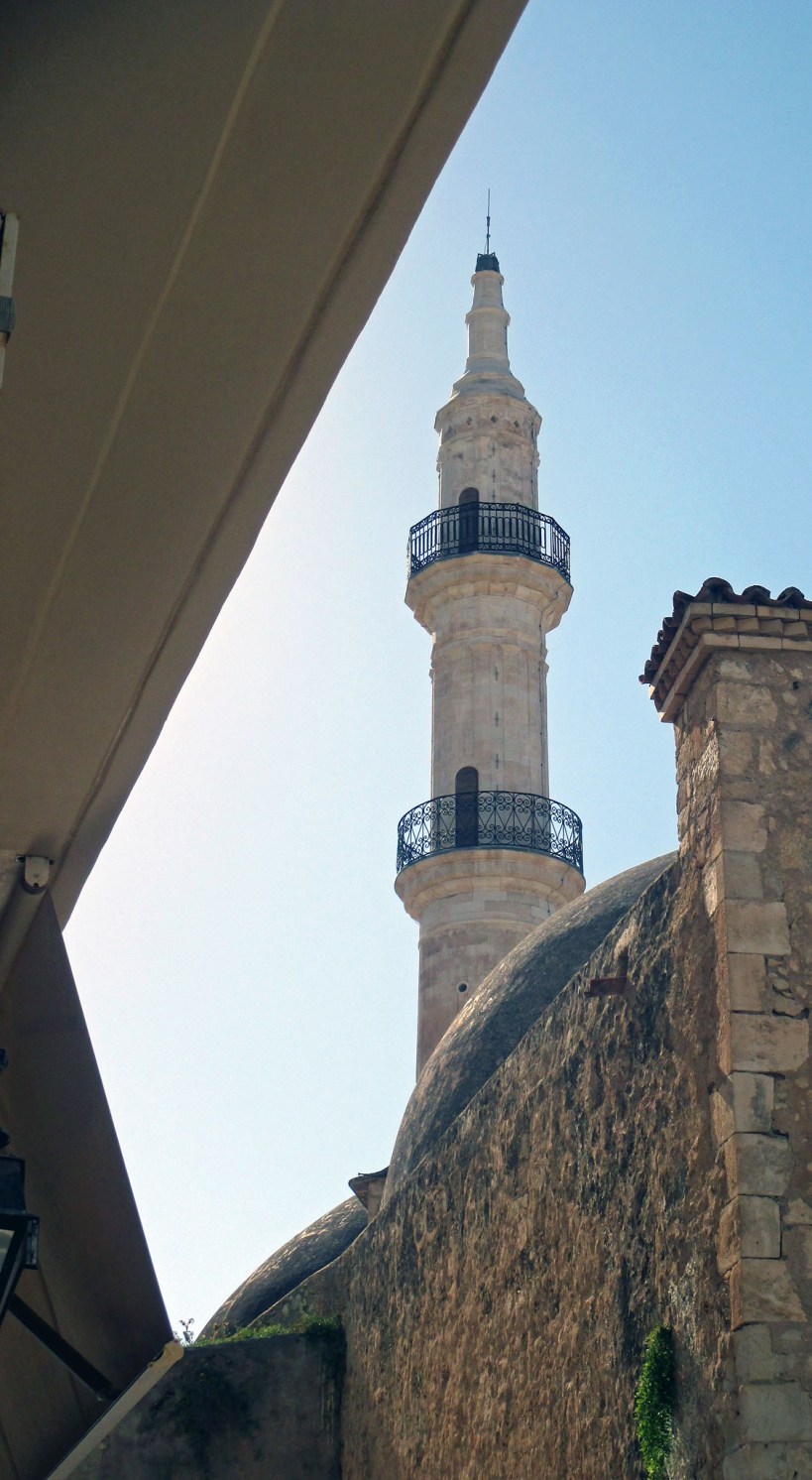
Rhodes: A Perfect Panorama
 We were to return to Tsambika sooner than anticipated but, I have to admit, not at first to visit the icon of the Virgin. That same day travelling back from Kolimbia to Lindos along the coast road we felt in need of some refreshment, particularly in the form of ice cream. Just past the road for Tsambika beach we turned off at a sign advertising the Panorama Taverna. What a find! We would not usually have stopped at a restaurant beside a main road but, set back from the traffic, this hidden enclave with its tables laid out beneath a pergola entwined with a mature vine, is the perfect spot to sit and enjoy whatever takes your fancy.
Overlooking the rocky hillside that slips away to Tsambika beach, with the sea we had so recently been fishing in the distance, we indulged our whim with a wonderful bowl full of ice cream and fresh fruit. Since then we have returned many times to dine there and have never been disappointed. In the evenings as the sun goes down under the twinkling lights nestling in the vines above, with the smells of the herbs used to brush the delicious fish and meat cooked over the coals on the outside barbecue, here is a secret most tourists do not know about but many Greeks do, as it is frequently full.
Rethymnon
With the decline in Venice’s power and influence, Rethymnon was captured by the Turks in 1646 and became part of the Ottoman Empire. Minarets and domes were added to former Christian churches, which were transformed into mosques in which the new Muslim population could worship. The solid, stone walls of classic Venetian houses were adorned with wooden balconies and the waterfront cafes were built as places for the men to congregate and drink coffee.
The harbour today makes the most of its stunning location, and competition to attract business is fierce among the waiters in the dockside tavernas. Just a short stroll inland to the Platia Petihaki where restaurant tables are scattered around the pavements that surround the graceful Rimondi Fountain is probably a better bet for a reasonable meal without the hard sell.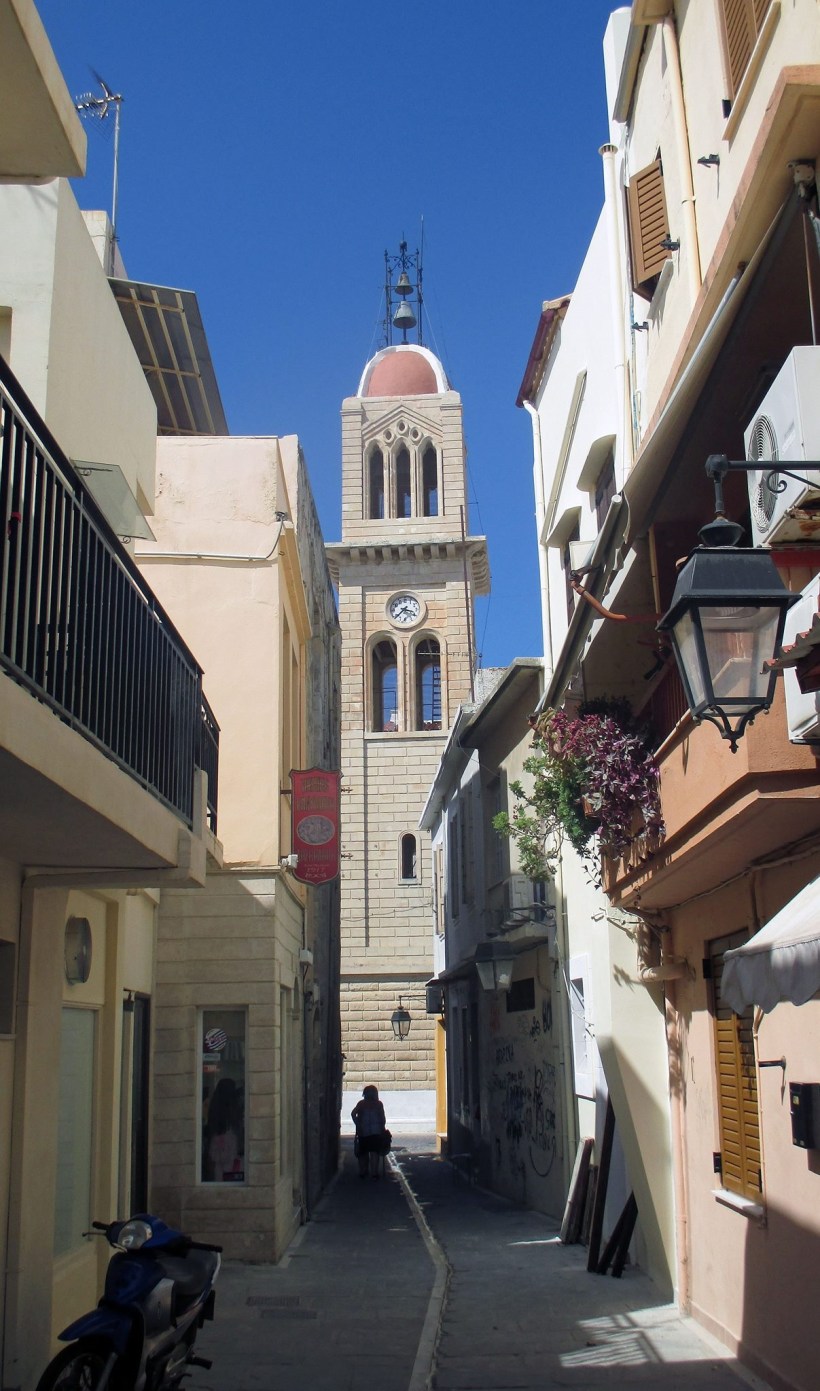
To the lighthouse
I have heard it claimed that Chania is the most beautiful city in Crete, even in Greece. These are quite some claims to make, but that anyone would consider making them should tell us something about the town. It is effortlessly sublime. The old town stretches from the harbour with its long defensive wall running parallel to the coast, the splendid Venetian lighthouse standing as a sentinel at its entrance…

Slowly, slowly in Sougia

‘Slowly’ is very much the byword here, both in terms of development and pace of life. Fortunately locals realise that Sougia’s face is its fortune and developments that might spoil its appeal would be counterproductive. Since I was here last there are a few more rooms to rent, the paintwork brighter and floral displays even more vibrant. There are no banks or, at the moment, even a cash machine.
Plenty of excellent tavernas line the wide beach, which runs down to the Libyan Sea. Quite simply, this is Sougia’s appeal. A place you can escape the day-to-day cares of life in a blissful cycle of swimming, sleeping, reading, eating and drinking. Who could want for more? After our walk we are in need of food and sit down to a feast of barbecue-grilled sardines with Greek salad and cold beer in frosted glasses.
You’re so kind!
I am overwhelmed by the response to the new website and just as pleased with a great 5 star review that has emerged on amazon for More Hidden Crete from GDW. Thank you so much, such reviews really help both book sales and author morale, so if anyone feels so inclined to pop over to amazon and post their thoughts they are always most welcome.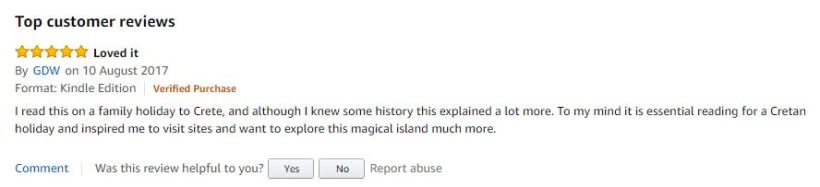
Feeling a Little Hortense
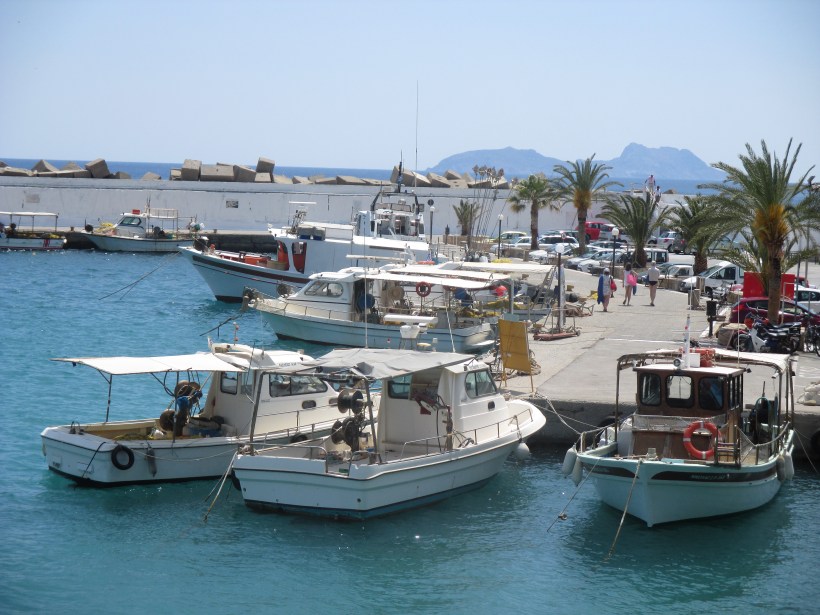 The view from the Madame Hortense taverna, on a balcony elevated above the harbour, is one that puts us in danger of whiling away several hours watching the world go by while tucking into their speciality, kleftico. You can taste the love endowed in this leg of lamb. Drenched in oil and lemon juice laced with garlic and mountain herbs, it is marinated for at least 12 hours before being wrapped in parchment with potatoes and cooked long and slow, until the meat falls off the bone and the potatoes can soak up no more of the unctuous juices. The house wine is deep red, darker than those from further west. Copious in body, it is tempered by the severe chilling to which it has been exposed, helping to cut like an ice pick through the richness of the full-flavoured meat.
 Notes From Greece